Why Keys Snap — and Why DIY Extraction Usually Backfires
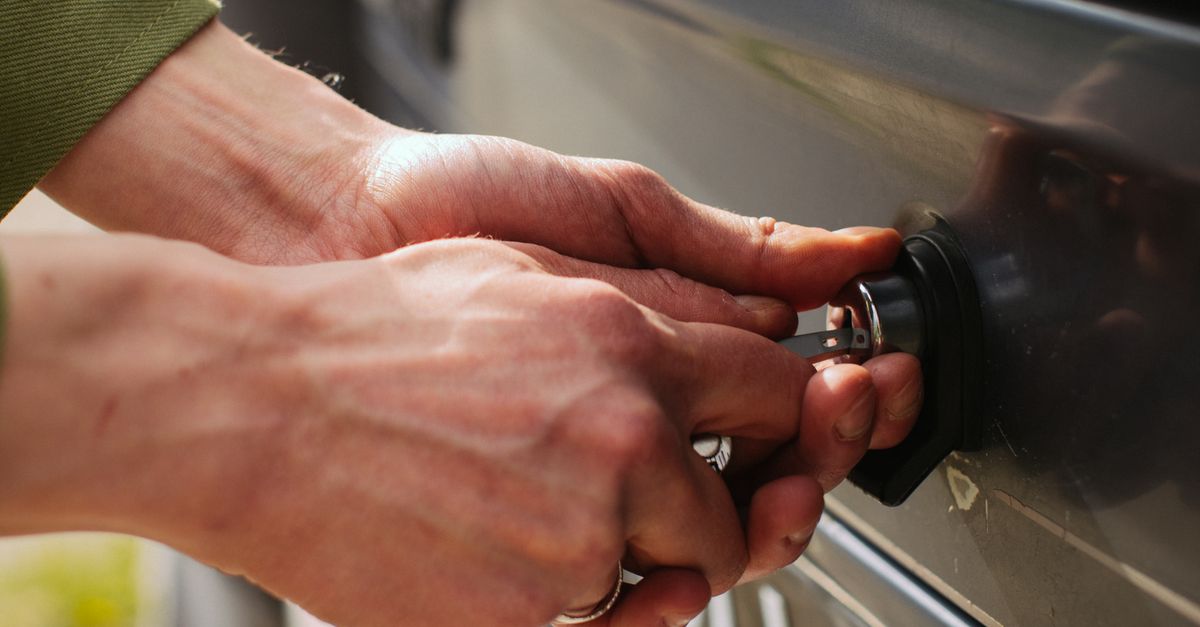
Keys break for a handful of reasons that are worth understanding. Metal fatigue is the most common culprit: a key that has been copied two or three generations from the original gradually loses its precise tolerances, and the accumulated stress of turning a stiff mortise lock or a worn door knob lock eventually causes it to snap at the shoulder — the narrowest point near the bow. Corrosion is another factor, especially in Palm Harbor's coastal humidity, which accelerates oxidation on brass and nickel-silver keys kept in pockets or on rings near the water. Forcing a key that doesn't quite fit — a common scenario when someone tries a similar-looking key from another lock — can also shear the blade cleanly inside the cylinder.
The instinct after a break is to grab something thin and push or pry. This almost always drives the fragment deeper into the keyway, compresses the wafers or pins around it, and scores the internal walls of the cylinder. What might have been a five-minute job for a trained technician becomes a full cylinder replacement. Our professionals arrive with hook picks, extractor spirals, and slim-jaw needle-nose tools sized specifically for the keyway profile of your lock — residential pin-tumbler, commercial mortise, wafer, and tubular formats — and they work methodically to remove the fragment with as little disturbance to the lock mechanism as possible.