How Key Fob and Transponder Programming Actually Works
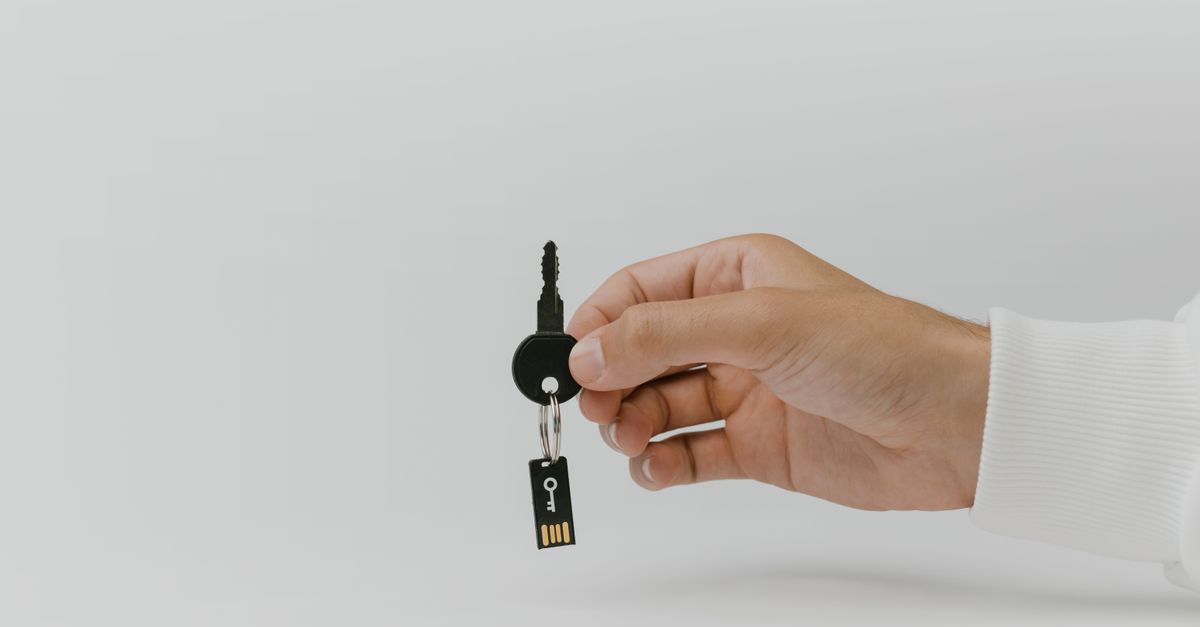
Every vehicle manufactured in the last two-plus decades contains a transponder chip embedded inside the key head. When you insert the key or press a fob button, the chip broadcasts a rolling encrypted code to a receiver in the steering column or door module. If the car's engine control unit doesn't receive the exact expected code, it kills the starter circuit — that's the immobilizer doing its job. Programming a new key means writing a matching code into both the key's chip and the vehicle's ECU so they recognize each other. Our skilled technicians use OBD-II compatible programming tools that connect directly to your vehicle's data port, allowing us to add new keys, delete lost ones, and sync remotes to the body control module — all on-site, wherever you're parked in Palm Harbor or the surrounding Pinellas County area.
Transponder keys and key fobs are two related but distinct components. The transponder handles ignition security, while the fob manages remote functions like door locks, trunk release, and panic alerts. Some vehicles combine both in a single smart key or proximity key fob, while others keep them separate. Either way, our mobile unit is stocked with a broad inventory of key blanks, fob shells, and chips so we can handle programming for domestic trucks, Japanese imports, European sedans, and everything in between — without scheduling a week out at a dealership.